 hello friends,
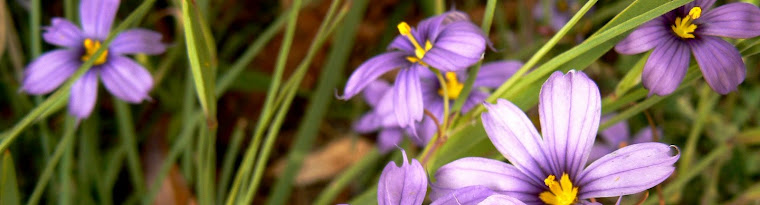
 What a lovely spring we've had -- I love seeing all those apricot-orange monkeyflowers blooming all over the Santa Monica Mountains. The exuberant colors of coastal wildflowers remind me that despite rush hour traffic and urban sprawl, Los Angeles still offers simple joy in its natural beauty. Even as some blooms begin to fade, there are still more many to gain inspiration from -- in the garden, on hikes, and even from the window of a car. Locally, I've been enjoying the bright purple lupines, fragrantly flowering sages, and dudleya in flower on rocky canyon walls. In my own garden, this year's poppies have gone to seed, but the bush sunflower, columbine, and elegant clarkia (pictured above left) are still out in full glory.
Soon rising temperatures will signal an end to the pageant of spring wildflowers. Although I'm always sorry to see the flowers disappear, it will soon be an ideal season to embrace the lazy gardener within. That's right, the delicious laziness that goes hand in hand with summer is actually a virtue if you garden with California native plants! Aside from adding a layer of mulch to keep roots cool in the heat, and some "little sips" of early morning water for the garden, many native landscapes require little attention during the summer. That makes the hottest months from June through September a perfect time to sip a cool drink, kick up your feet, and dream up your ideas for establishing new natives in the fall.
Like many native plants, Native Spaces Garden Design will be dormant during the summer months. We'll be off from mid-June through September germinating plans for fall gardens. We look forward to gardening with you in September. As always, check out our website for garden ideas and inspiration: www.nativespacesdesign.com
Thanks to all of you who stopped by during this spring's garden tours -- I had a great time meeting so many passionate garden enthusiasts.
Cheers!
-- keegan @ native spaces garden design